
2026 Favorites (So Far) 



Just about mid-year and it’s time to take stock on the past few months. 2026 may be trying in every other sense, but the musical offerings have been plentiful and excellent. Here’s a look at the favorites that have spent the most time on my speakers.
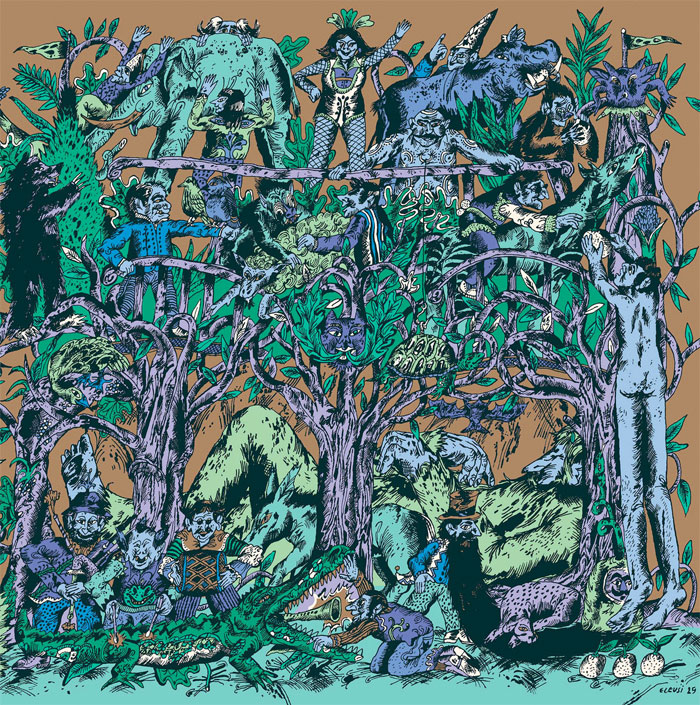
Al Doum & The Faryds – Ipnagogico
Hung on the polyrhythmic engine that’s fueled all of their records, the songs on Ipnagogico work in paired parcels. Three two-part arcs round out the record, ranging from spiritual jazz to psych-skronk drip. The remaining pair work as palette cleansers, a two-part party package that breaks up the record, while offering up the slickest slices of sweat in the bunch. A showcase for the band’s hues of Hot Rats and ecstatic atmospheres, echoing through shades of Popera Cosmic’s best days. The album closes with a syrup bled blues, coming across like memories of Pink Floyd passed down through oral tradition It’s been a few years since the Faryds have hit the speakers, but it’s clear they’ve been at the cauldron and cooking.
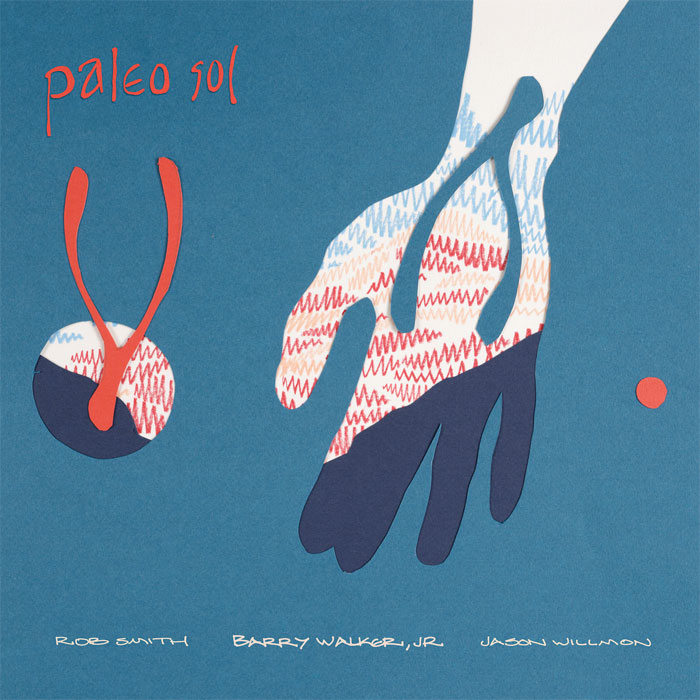
Barry Walker Jr. – Paleo Sol
Paleo Sol is a record rooted in the natural world, reflected in the geological and topographical references in it titles. The album sees Walker not only focus on the pedal steel, but bring in some of his own acoustic string work as well. With the rounded out trio in place, the album brushes against the current waves of ambient country, but doesn’t completely succumb to it’s wiles. There’s a feeling of the band painting landscapes in lush reverberation, turning the soft sweep of steel and the brush of drums into amber hued vistas.
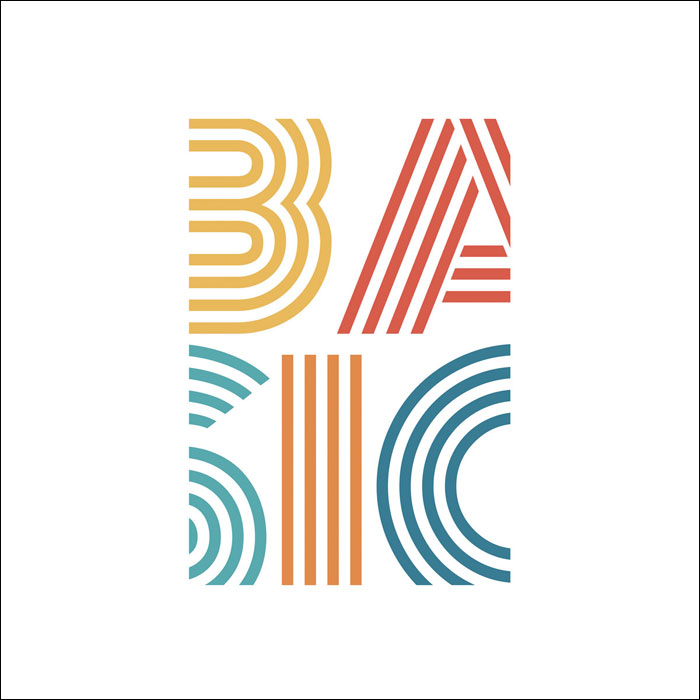
BASIC – BASIC
Largely put together live at Electrical Audio, the album doesn’t hew to close to any specific genre, but instead digests the band members’ impulses; churning funk, noise, jazz, post-rock, and dub into a concoction that could only be called BASIC. Avery’s lock-step patter mixes with distorted loops of flute and Forsyth’s guitars that glide between Turareg stabs, heat-warped wobble, and strident funk. The EP pushed away from the double guitar twist of the first record, but here they sever with the past to mutate into something familiar with deeper roots.
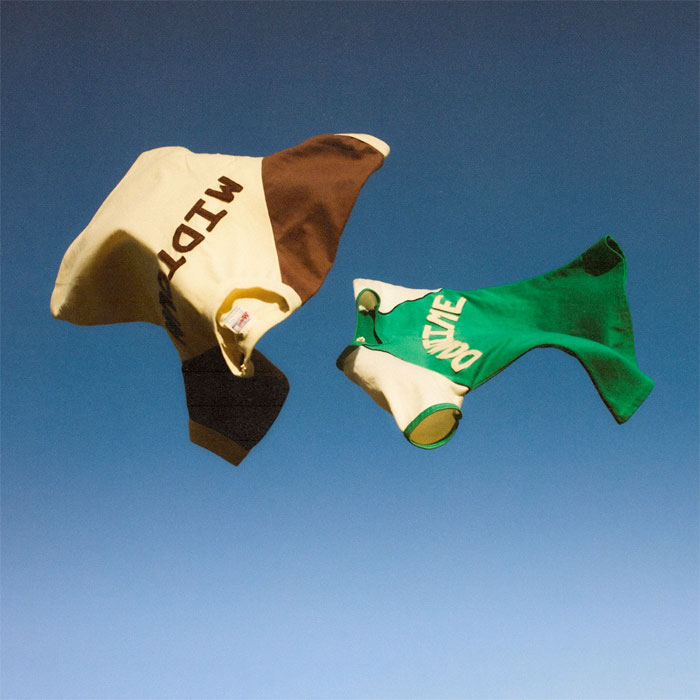
Beefheart & McQuinn – Midtown Downtime
While the record is an exploration of the undeniable chemistry between Murray and McQuinn, it also picks up from where McQuinn last left off solo. Winter’s last was a record that was rooted in collaboration, lacquering ‘70s touches across works with Hot Apple Band, Dylan Young, Feign Jima, and Acacia Pip. The spirit of collaboration lives on in the debut from Beefheart & McQuinn, along with a palpable penchant for the softer side of the ‘70s. The band locks into a mahogany and lavender lilt, finding their footing between the easy breeze of Simon & Garfunkle, JJ Cale, and some more esoteric ends of the folk rock spectrum; think Batdorf & Rodney, Wooden Horse, or Japanese duo Fluid.
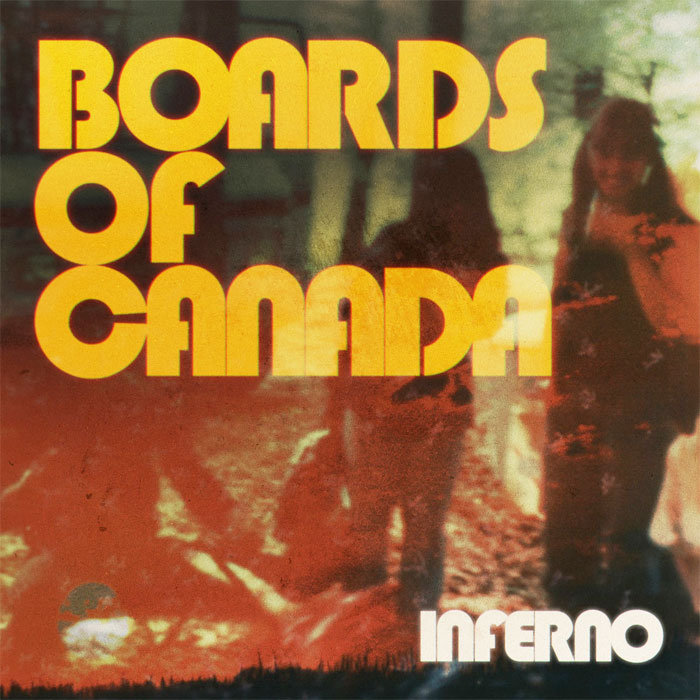
Boards of Canada – Inferno
There’s probably not a bigger music note this year than the arrival of a new Boards of Canada record. Following the cryptic album announcement, the band unveils the full force of Inferno. The corroded collage work drags the listener into BOC’s world of desiccated beats and synth transmissions from the lost reaches of the ionosphere. Slipping from harrowing drone folk to metronomic cult recruitment tactics, the record is a double disc exploration of the tenuous nature of the veil between dream and delirium. There’s always something tactile about a Boards record, and Inferno is no different, a gauzy dive into the deep recesses of the subconscious that rises to pinpricks on the skin.
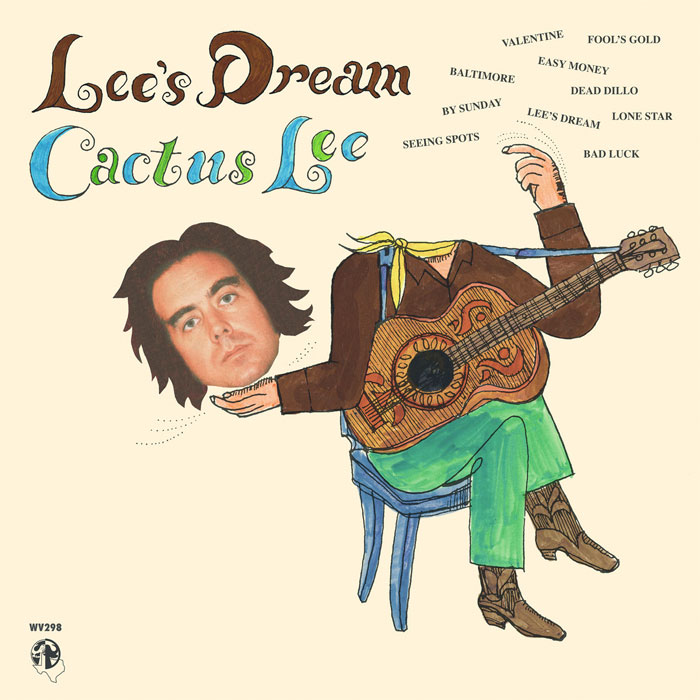
Cactus Lee – Lee’s Dream
Lee’s Dream is as clean as he’s ever sounded, session fresh but each song seems like it could be stripped to Dehan and a guitar and still land on its feet. Dehan brought the album to Billy Horton’s Fort Horton Studios in Wyldwood, Texas, a house that’s seen legends like Charley Crockett head through the halls. Horton’s classic sensibility is a perfect fit for Lee’s Dream, an album that conjures images of pipe smoking session vets slung over an upright. This is cowl kneck country, equally at home on one side of a c-90 long haul mix and on the hi-fi in the den. The album is polished and patient, full of future jukebox gems that settle you back into the cracked plastic of the corner booth. It’s hard to slip out of the album’s sway, but that’s no bad position to be in for ‘ol Lee.
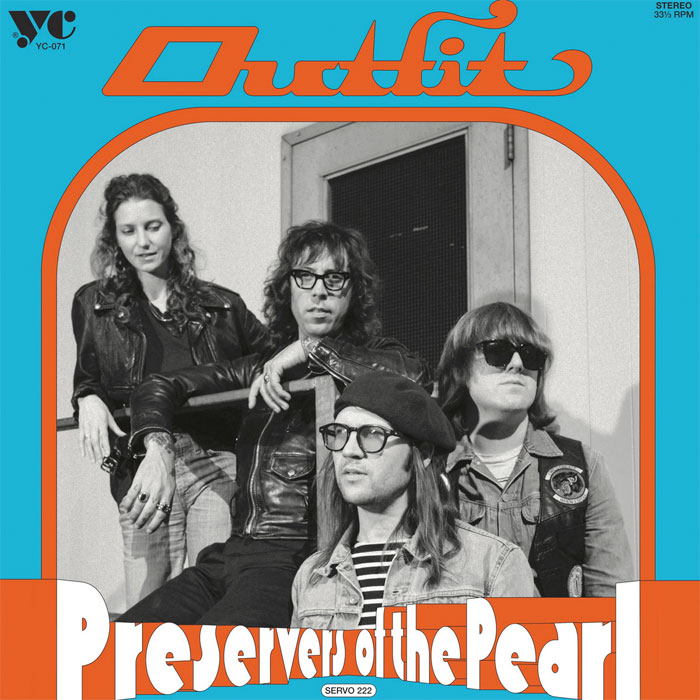
Daniel Romano’s Outfit – Preservers of the Pearl
Preservers of the Pearl is a pure distillation of the band’s studio prowess. It stalks R&B rubdowns, shines in shivers of folk and soul, and revels in letting riffs tower to their fullest heights. In many ways this album is the true follow-up to How Ill The World Is Ordered. Like that record it prowls the halls of the studio, transmuting sweat to tape and squeezing soul through the tubes. Unlike that album, this is a true family affair. The choruses soar like choirs, the drums pound and pulse. Guitars favor the guilty, but we’re washed clean and cured, lifted up and set free. There’s always been something transformative about rock but it’s been a few years since someone truly tripped the switch. This is that album and more.

Eddy Current Suppression Ring – In Light of Recent Events
The band is unwavering in their ability to fuse tension with hooks, prepping an album that chews on its own tendons, parlaying pounding guitars into the kind of songs that stick in the back of the brain with a serrated stab. The band lets down their guard on the album just a touch, particularly on the early single “Swimming Hole,” a new favorite to be sure, and the jangling closer “On My Way Home,” but they also deliver classic catharsis as well. Mid-section standout “Ivory Tower” pulls itself apart and fuses back together out of spite. “Turtle” might saunter, but the band’s back to ballistics on “Bop’ and dismantling low-slung dirge on “Empathetic.” The absence over the last six years has only made this album all the sweeter, but ECSR never rest on reputation alone. It’s another rack of ripped hits, sinewy punk favorites, and pop Trojan Horses that are set to stun for the duration of 2026.
The Eighteenth Day of May – The Eighteenth Day of May
Like many that slipped through the seams of the early ‘00s, the band’s fate was just a matter of timing and taste — too early and too late in many ways — but for those that experienced them, right on time. The band’s members would go on to fill the ranks of Trimdon Grange Explosion, The Hanging Stars, The Left Outsides, and Lake Ruth, but before any of those The Eighteenth Day of May found a group of friends and familiars holding a mirror to the deepest registers of their ‘60s folk favorites. EDOM found more footing among the layered harmonies and traditionalists turned trippy that were woven through the British ‘60s; evoking Fairport, Pentangle, Trees, The Incredible String Band, Kathy Smith, and Steeleye Span. A treasure for collectors and completists of the bands that follow, and an essential primer for new folk fans who’ve got a blind spot for the UK aughts.
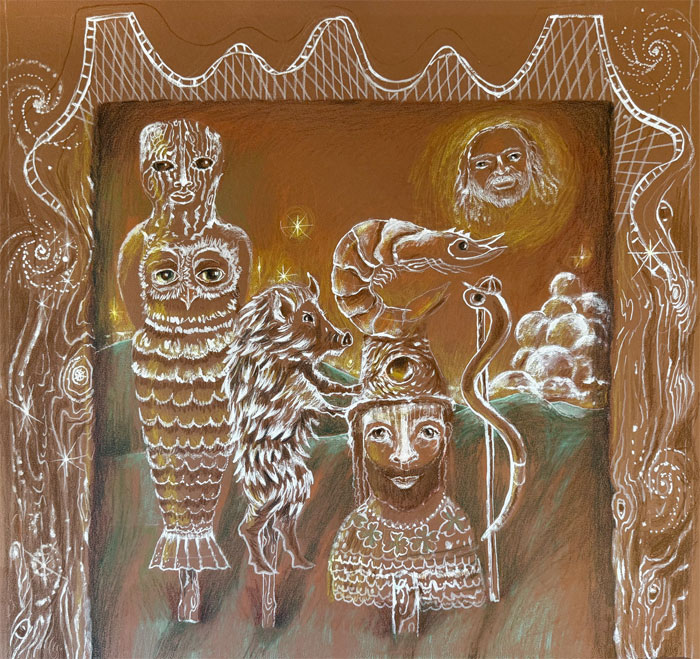
Frank Hurricane – Southern Shrymp (In the Big City)
Imbued with his rambler’s wit and country ease, the new record sidles nicely into Frank’s catalog, another travelogue of camping runs and corner characters, a sanguine sanctuary stocked with a case of St. Ides. Every song unfolds on a bed of strums, sonorous harmonies, and the kind of stoop-front charm that would make Frank the storyteller of any great neighborhood. Thankfully with the tape rolling, that neighborhood is larger than city blocks or backroad trails can contain. We’re all stoop side, sat wide-eyed and wondering what Frank’s going to unfurl next.
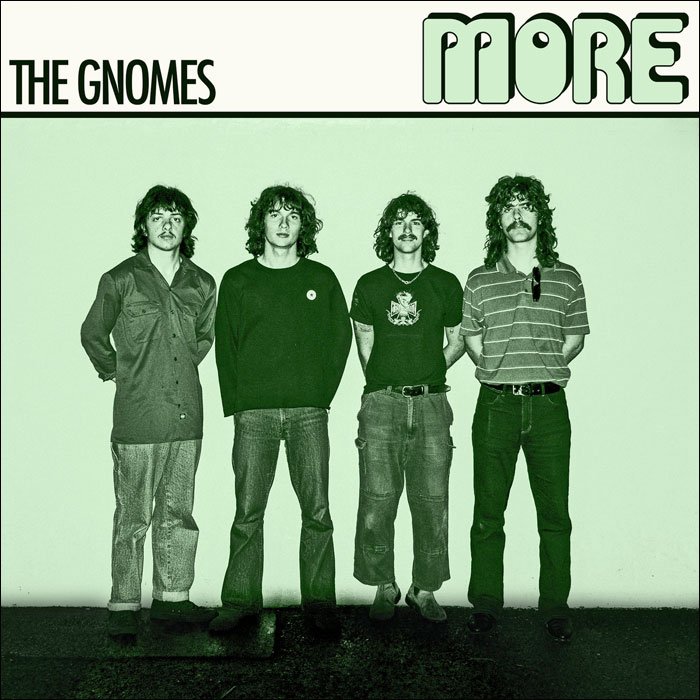
The Gnomes – More EP
With The Kinks’ fuzz tone as their compass rose, the band’s debut was full of snarl and strum, a bounty of hooks with hidden knives. They follow up quickly with a digital EP that pushes their sound even further. With a few nods back to the debut’s rave up rippers, they also push further into a heaviness that was only hinted at before. The EP opens up with the thunder and sneer of “Thinking of Me,” a song that’s battered with bluster and ready to burst. Previous peek into the EP, “Magic Man” is in the running, already a cemented favorite around here. “Don’t Worry” hews closest to the record, the kind of ‘60s romper that’s always ready to tear a bit more tumultuous on stage. Then they close out the record with a little smoke and seethe that feels like it would fit right in with the California contingent swirling around Segall / Primitive Ring / Hooveriiii.
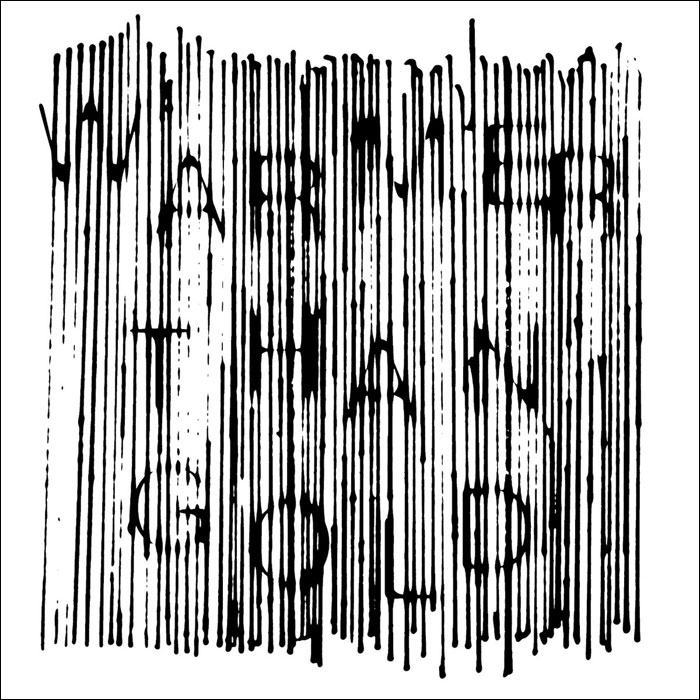
GUV- Warmer Than Gold
Drawing on his childhood abroad, Cook taps into a wide array of sounds under the Brit umbrella. Opening up with baggy beats, he quickly wanders into smeared corners that glow and gaze, push the tempos, and ensconce themselves in haze. Flipping the dial through the corners of the craft that didn’t latch as hard over here, GUV caresses the catalogs of the Roses, sure, but also Curve, Swervedriver, the JMC in their less crusted days, The Mondays, and the more lacquered ends of the Sarah Recs catalog. What the album does best is capture the genre’s love of dazed delirium, a feeling of being lost; in love, in substances, in music, in melancholy. Between breakbeats and blurred hooks, Cook turns the record into one of his best yet.

Harlan Silverman – Music For Stillness
If the spiritual jazz meets New Age of The Cosmic Tones Research Trio’s last couple of records hit all the right buttons, then the patient peace of the band’s Harlan Silverman’s Music For Stillness will come as a pleasant addition to the turntable. Feeling more akin to the pastoral tones of Japanese folk music and the more recent waves of ambient that have caught hold of the Leaving Records roster, the album is true to it’s title, evoking an an anchor in still waters. While the record has roots in New Age, it’s got a more organic feel to it. More wind and water and less yoga studio sit-in. Though, hell if that’s what you need, it’ll work that angle. There’s a sense of leaf-filtered light in Harlan’s music, a beacon to hold onto in ever-darkening days. Sometimes there’s a need for a reset, a re-centering, and on Music For Stillness Silverman provides a moment to reflect.
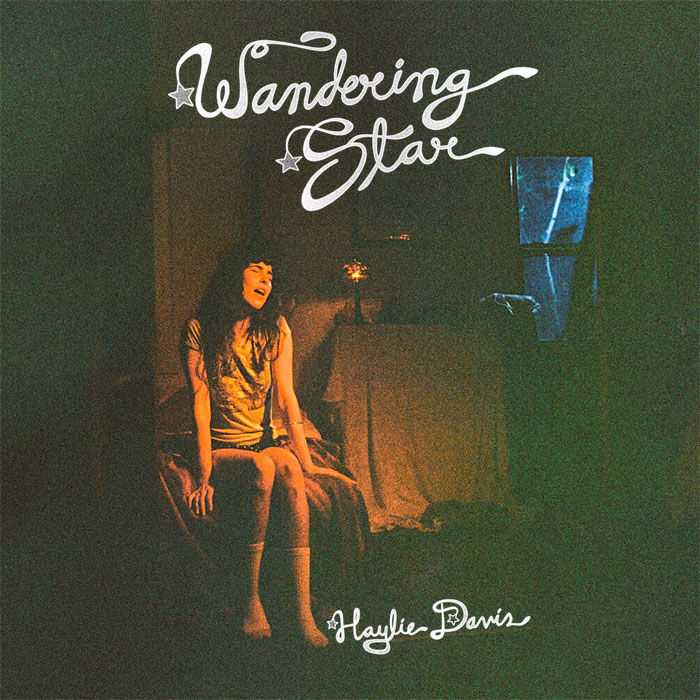
Haylie Davis – Wandering Star
Davis deepens her well on Wandering Star, a record feeding from the roots of Nashville country, Canyon Folk, and solid gold ‘70s singer-songwriters. Flip through the eleven assembled tracks here and shades of Dolly, Ronstadt, Perhacs, Emmylou and Kathy Smith all come into contrast. The record is carried on Davis’ soaring vocals and easy air, but she’s adorned it with rapturously deep embellishments that tug her record from fledgling legs to classic territory pretty quickly. She has a habit of turning modern moorings into the kind of dusted n’ dinged odes that fed Gram’s solo stint. The lights are bright, the night is just beginning, and there’s possibility around every corner, even when heartbreak’s at the back door.
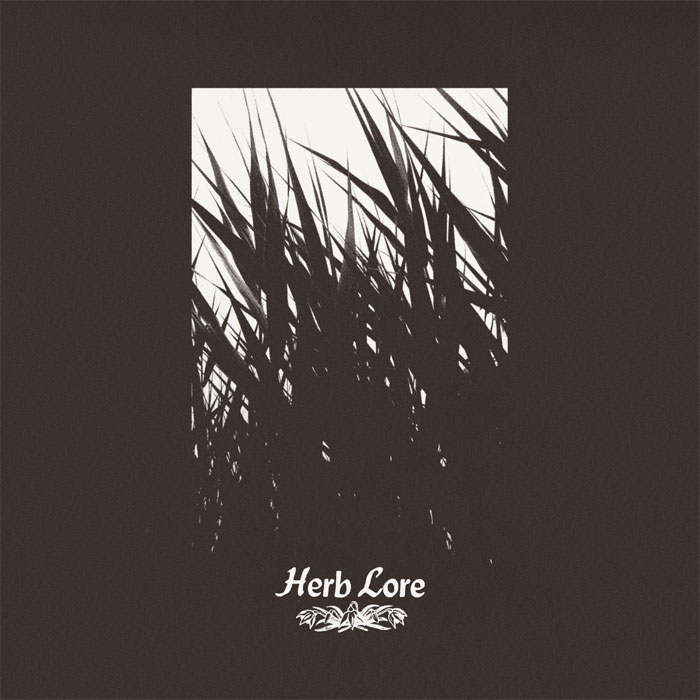
Herb Lore – Mysticism
Underpinned by aqueous field recordings, the record is wrapped in the lore of the sage’s journey. Desolate landscapes, dark clouds, and damp surroundings feel a part of the record, another player in the party. Hopelessness hangs in overcast hues, but ultimately the journey through finds the clouds parting. The record is rooted in journeys both spiritual and physical, a stripping down, a relinquishing of pride in order to find solace and purpose. The tools to awaken this revelation are hypnotic guitar phrases, circular patterns that chant and chime under the grit teeth of electric lines full of fever and friction. Guitar soli has been rampant in folk the past few years and the more scorched elements have been scant, but along with Prana Crafter and Smote, this might be one of the most interesting new entries into the genre in some time.
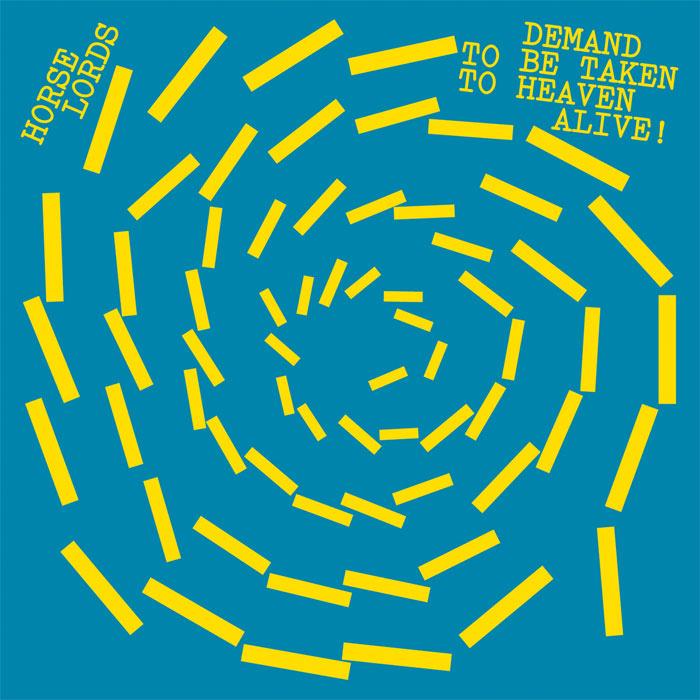
Horse Lords – Demand To Be Taken To Heaven Alive
The band’s latest tightens the screws on their last few albums. There’s still a sense of free jazz chaos at the corners, but Demand To Be Taken To Heaven Alive is less lacerated by the skronk and scorch of sax than it is caressed by the uncanny valley of processed vocals and the Autobahn insistence of the German Progressive path. The groove on the new album feels embedded, omnipresent, inescapable. Veer all you want and the band will bump you back into their marble run head rush once more, plunging all the senses in loops and swoops that pull like black holes of rhythm.
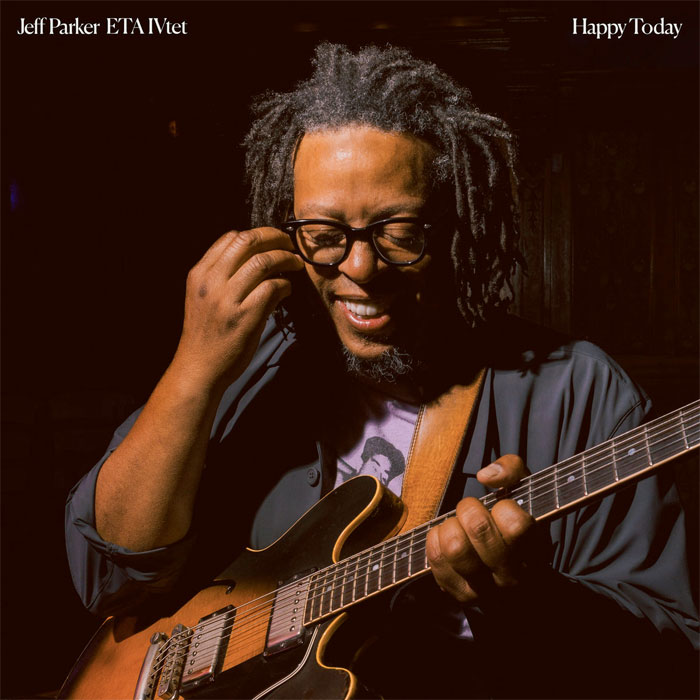
Jeff Parker IVtet – Happy Today
The record serves as a happy accident of sorts, an album created in the shadow of another. The band had just worked through a weekend in the studio, a session that was meant to serve as the band’s first record away from the live space. They celebrated the session with a show at The Lodge Room, a venue that stood just a few hundred feet away from their namesake club, The Enfield Tennis Academy. A sizable jump in size from the cramped interior of the ETA, The Lodge Room still contained a dedicated core of folks who showed up to see the band work through their symbiosis live in the room, the realm where they shined the brightest. The set feels joyous and the accompanying video from Charlie Weinmann lets those that were not among the lucky 400 on the floor into the round to celebrate alongside the IVtet. The band locks into lean and limber phrases. They don’t shy away from their penchant for the longform, letting the two songs here linger on the tongue and loll in the ear until they transform and ultimately transmute sound into understanding, jadedness into joy.
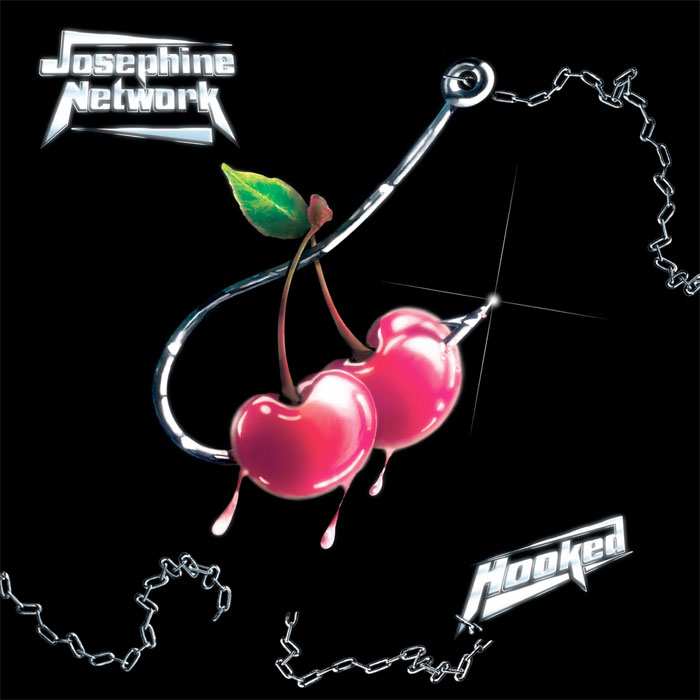
Josephine Network – Hooked
The soft-punch punk and perfect pout of late ‘70s power pop doesn’t have many more perfect purveyors than Josephine, and for her latest, and first for Lolipop Records, she brings some of her most outsized hooks in years. The band has long been rounded out with members of Brower (of which Josephine has been an of and on member), but here she reconnects with another name that might be familiar to those with an eye on NYC’s pop history. The album is produced and mixed by Ryan Howe (Punks on Mars,) Josephine’s former Velveteen Rabbit bandmate, and the pairing rekindles an electricity that coursed through their previous pairings. From its first moments the record rolls through the bedrock of glam-scented power pop, capturing the coy elasticity of Sweet, the rock candy whimsy of Milk n’ Cookies, and boundless energy of Colors.
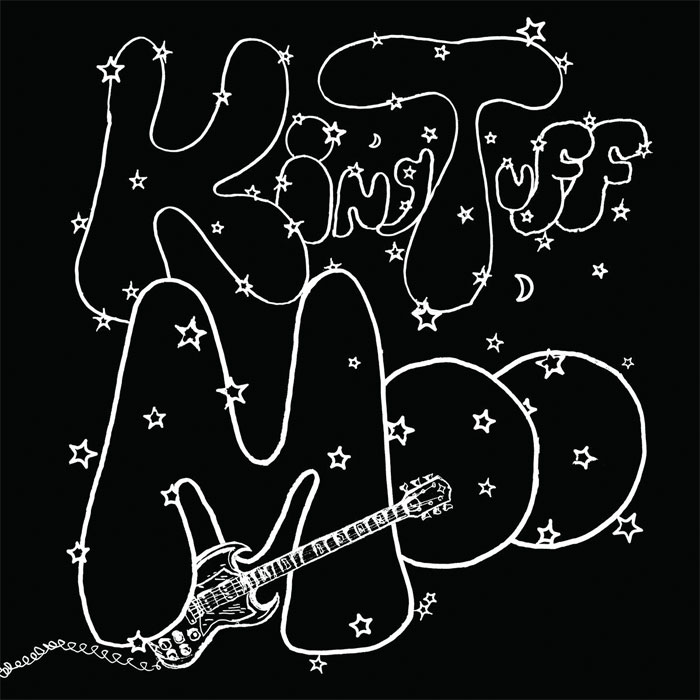
King Tuff – Moo
Back in 2006, King Tuff was born out of a home-brewed pressure cooker; a solo stint etched to bedroom tape between the smoke clouds of Witch and the free folk family hour of Feathers. The same pop itch hits on MOO. It feels like a record made to exorcise pop demons — dear journal in-jokes and Vermont love letters tossed into the blender with pop rocks and set to spin. MOO, as a result, hits like the year’s first rays of East Coast sun, shaking off the plastic facade of L.A. to land among the post-hippie punks pulling Sun Medallions out of flea market stalls. The record aims for just East of Ordinary and succeeds nicely, dragging it’s patched denim particulars out into the light.
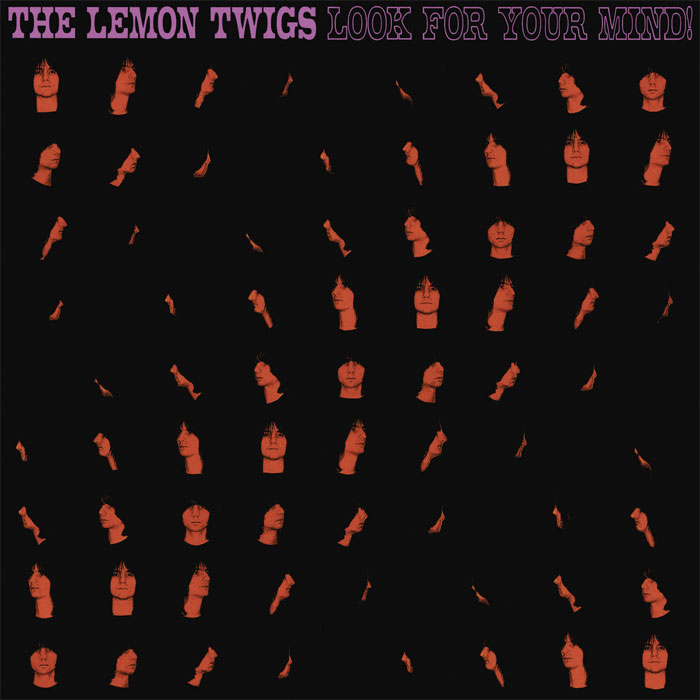
The Lemon Twigs – Look For Your Mind!
As they’ll readily admit, The Lemon Twigs have started making records that they’d want to listen to, the kind of ‘60s/‘70s sunshine gems that were ensconced in harmony, honey, and sunlight. Everything Harmony hinted at the freedom, but it really broke open on last year’s A Dream Is All We Know. Now, the studio has become a playground as the band looks to the most ornate corners of their personal collection to create an album that feels dipped in joy and driven by a pure pop engine. Every song on Look For Your Mind! feels like the band is having the best time, which, given the meticulous nature of the arrangements is some feat. From Badfinger buoyancy to Brian Wilson curios, the band digs out the past and makes it feel timeless. They pine with a deeper sigh, they rip through rock that knocks the modern morass, and they stick it to the speakers in harmonies that burrow so deep under the skin they might never leave. A gorgeous gem for the pop collectors that takes quite few of its inspirations to the mat.
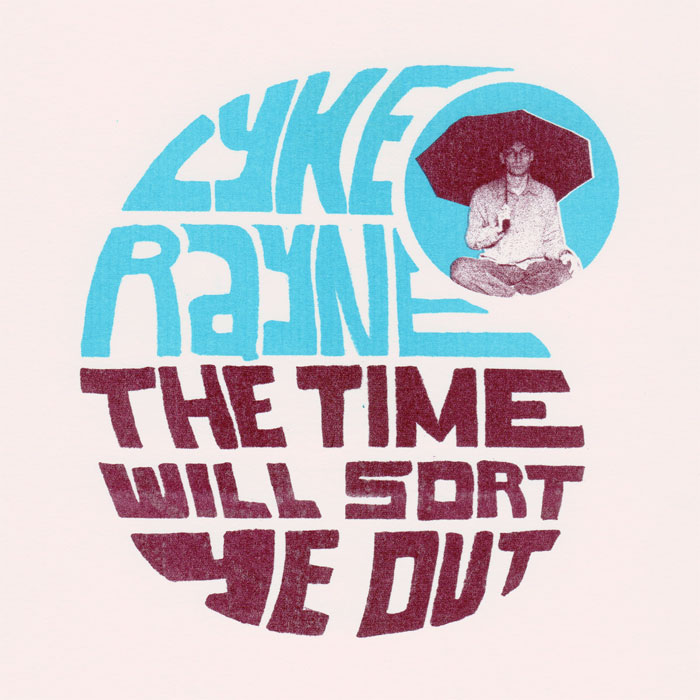
Lyke Rayne – The Time Will Sort Ye Out
The Inner Islands labelhead is often short on words, but here he lays out a full record of heart-heavy psych-pop that’s carving its way through the somber side of the genre; weaving from Gandalf and J.K. and Co to the edges of FJ McMahon. Ultimately, the record falls most in line with contemporaries that choose to haunt the bedroom over the boards of studio (think Way Dynamic, Daphne’s Demise, early Gold Dust). Assuming the name Lyke Rayne, Conrad moves undercover into new territories. There’s often been an aqueous feeling to his more ambient works, but here there’s a sense that the clouds never part, that dampness and gloom are at every corner. The Time Will Sort Ye Out constructs a labyrinth of laments, leading the listener through on winds of psychedelic strum. Somber melodies cured with just a touch of sweetness pervade the record, and a whisper of flute crops up among the saturated synth work.
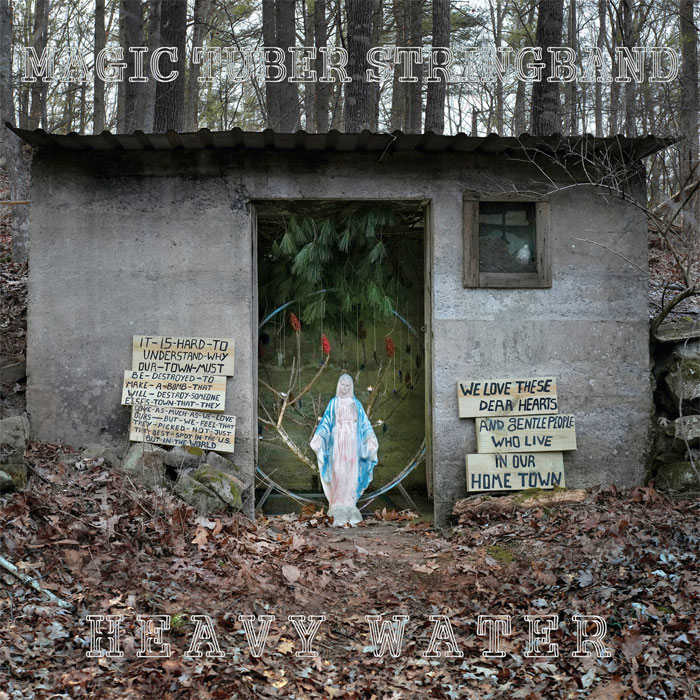
Magic Tuber Stringband – Heavy Water
Magic Tuber Stringband return to Thrill Jockey for a new record with deep roots in their South Carolina community. The record is imbued with a sense of traditions soured, centering friction butting against the bucolic folk and bluegrass that would have long endured along the river. The band has ebbed into the fissure of folk and noise before, but here it ties together into a longer arc, not simply the tension of tradition and time, but one mired in deep loss and the long road to recovery. The record opens into passages when the songs chafe and chap, knife twists of destruction and deterioration, but there’s room for beauty in the album as well. The more the record moves towards its conclusions, mirroring the land’s recent rebirth, the more those moments reach the ears. Another stunning outing from the band, who along with Black Twig Pickers have worked to re-contextualize Appalachian folk for an age that’s quick to forget.
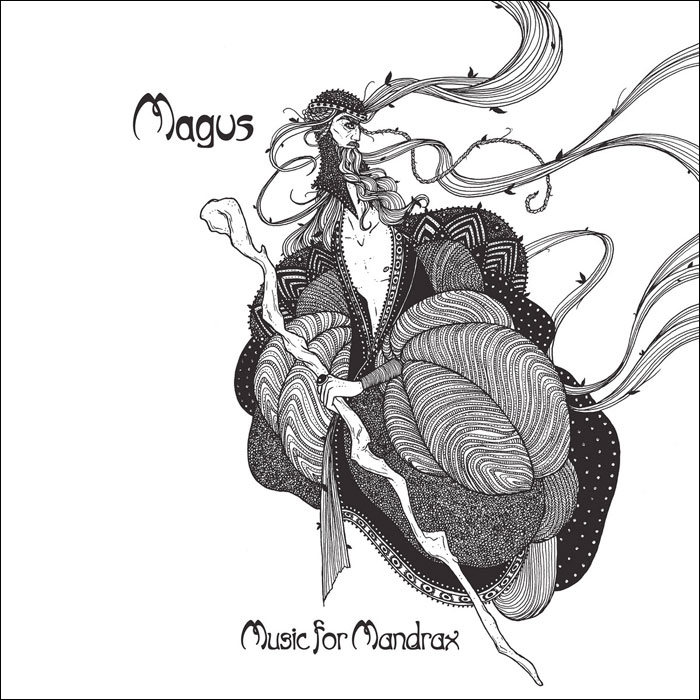
Magus – Music For Mandrax
Encircled by the smoke of ‘60s folk, the new outfit dives deeper into the dark undercurrents of prog, gothic folk, and the edges of proto-metal. Embellished with flutes and folk strums, the record likewise doesn’t shy away from a growl in the guitars, relishing the nighttime air and the menace of wooded shadows. The hints of despair that have shown up in both players’ individual catalogs over the years is turned towards something more menacing here. The record paces, pants, and prowls. Magus understand the haunting magic at the core of psychedelia.
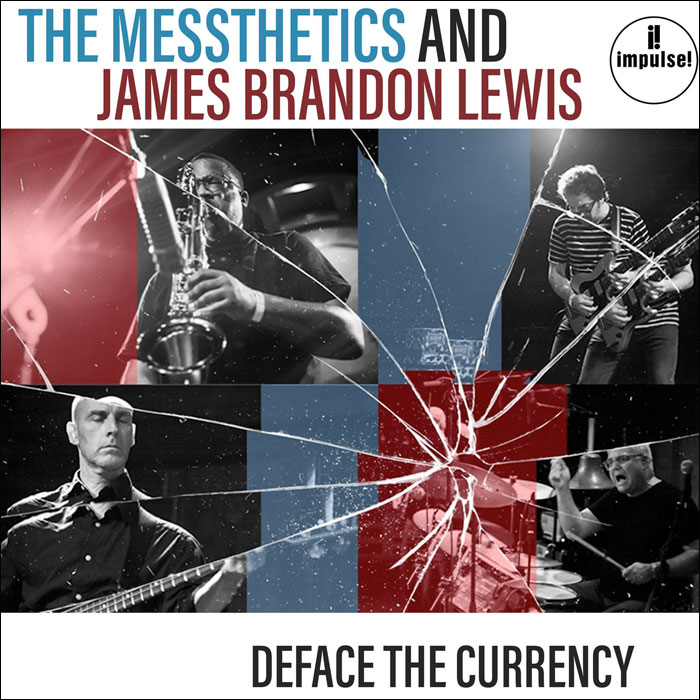
The Messthetics and James Brandon Lewis – Deface The Currency
The Messthetics again collide with the tectonic force of Brandon Lewis for a new album and, like the last time, the collaboration brings out the best of both. This time around there’s more itch, more grit in the maw to make the pearl.Still locked in groove, still symbiotic down to the marrow, but this time the bile boils a bit hotter. There’s turbulence and turmoil in Deface The Currency, a seethe that might have been sated before. Here, it remains raw underneath the band’s boisterous back and forth. On their own, The Messthetics excel in turning riff into rankle, but it takes Lewis’ sear to really set the band’s works alight. As the trio beneath him signals unease, a sense of inability to temper acceptance of systems and societies that have become increasingly devoid of care for their citizens, it’s Lewis’ discordant call that lobs the brick against the bluster.

Mikaela Davis – Graceland Way
The record opens its boundaries, both enthralled with a classic canyon country and an expanded pop palette that looks backwards to Davis’ past and forward towards a future less linked to genre. A wanderer’s tale, tugged at by the ghosts of myth, mythos, legend, and legacy, the album plucks her out of the Catskills for a taste of desert air. Dealing with the linage of the Laurel, its ghosts and grandeur, Davis can be found weaving a tapestry of longing that’s wound around the reverberations in the radio static. The album weaves between waking and dream, often letting songs dissolve into tidal codas only to emerge refreshed and unencumbered moments later in the arms of pop.
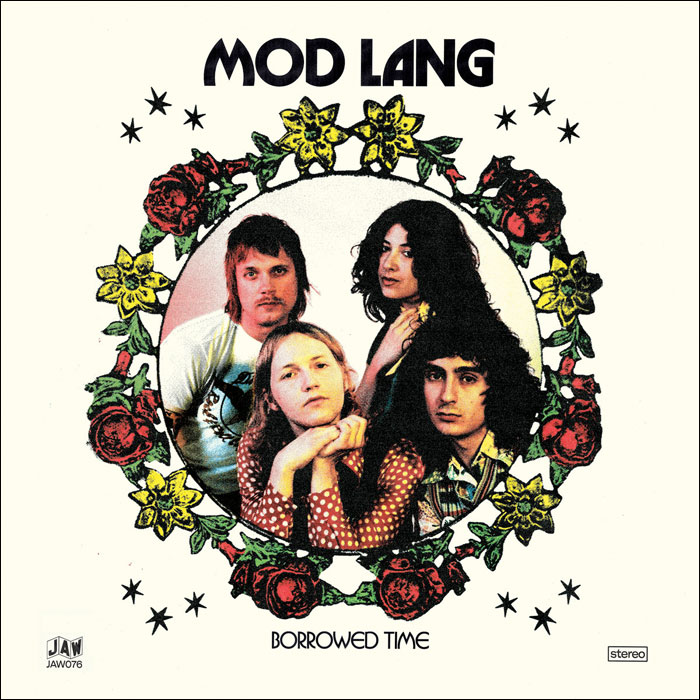
Mod Lang – Borrowed Time
A pitch perfect record of power pop rises up out of Detroit, a gift gilded in honeyed harmonies and delivered with a wink and a sneer. The band skips the ’90s revival line and heads straight back to the source for this one. As the name might imply, the band’s hung on the Memphis ‘70s set, dipping of course, though Big Star, but also snagging shades of The Hot Dogs, Van Duren, and a little bit of Zuider Zee in there as well. The more tender-hearted moments that roll down the backside of the record as well. Sometimes that’s the true test of a power pop band. It’s easy to amp up the vamp, curl the lip and crank out those chewy pop hits, but some of the best power pop from the ‘70s set also knew how to bring the lights low. Badfinger and The Raspberries knew how to slow the pace, and to their credit, so do Mod Lang.
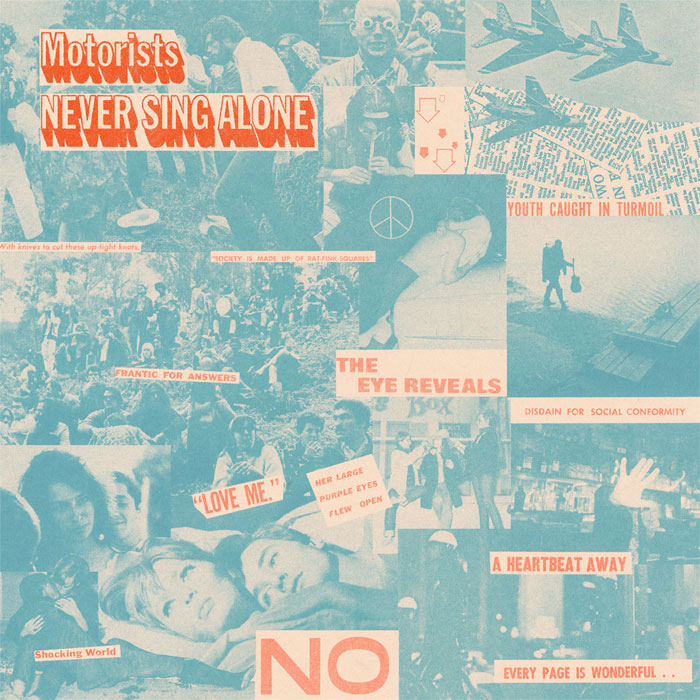
Motorists – Never Sing Alone
For their third, the band connects with Chris Cohen in the producer’s chair. With his help, the band finds the balance between their early poles. The new record is rife with hooks, but not averse to tension and torsion, scratching at the listener with a splintered soul before soothing them with just a taste of those power pop charms. The band never quite reaches the ecstatic pitch of “Phone Booth in the Desert of the Mind,” but they’re still chewing on candy corners with “The Damage” and the curdled New Wave of “Diogenes.” The jangles that were part and parcel of their debut return as well, extending a few of the Feelies shadows that hung over their early days. All in all, they’re not retreading their past roads, but paving a way forward, turning inner turbulence and insecurities into indelible hooks that hold on tight.
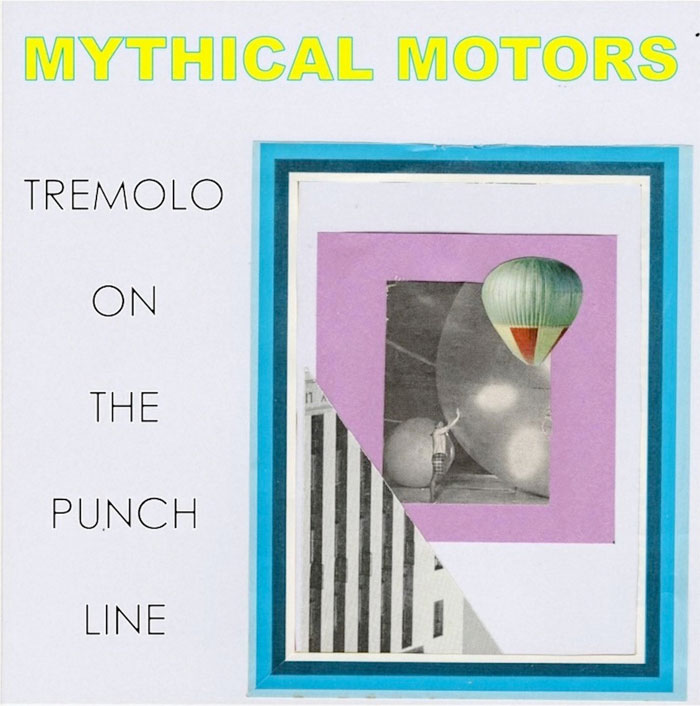
Mythical Motors – Tremolo On The Punchline
With a prolific heart and a prowess under three minutes, Mythical Motors is just as much heir apparent to the GBV tag as Sharp Pins or Good Flying Birds without feeling the need to hook hiss into the mix. Addison locks into the a more recent balance between polish and punctured pop, swapping swoons for power pop’s underdogs from speaker to speaker. Guided by Game Theory, crushed on The dBs and Permanent Green Light, the new record crimps together a mixtape of prime-era Left Dial delicacies that prove you should have been paying more attention to Chattanooga these past few years.
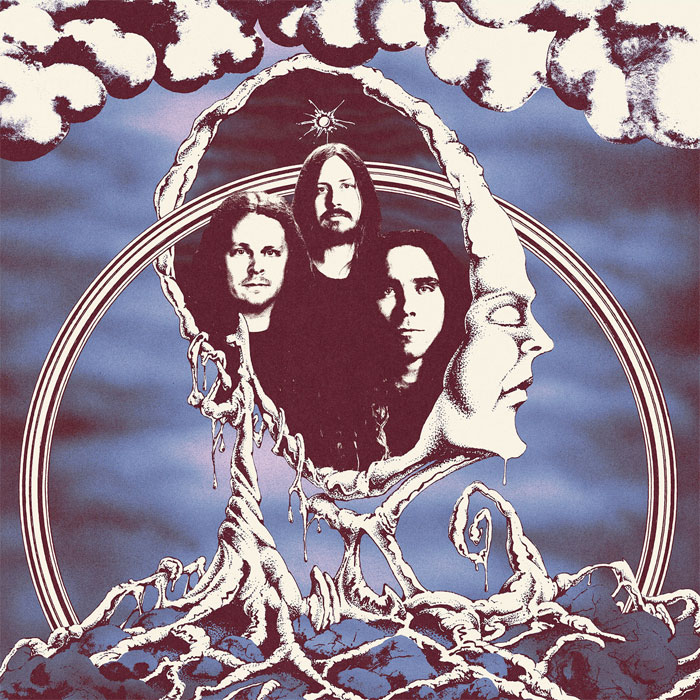
Primitive Ring – Primitive Ring
As they crest into a proper album for In The Red, the band still serves up a dose of singe, but this is more than just an album of 80 mph riff n’ whiplash. The record digs into the band’s strengths, which definitely play into the acid bath of fuzz courtesy of Moothheart, but also into the prog prowess and pop dynamic behind Hooveriii, and the nimbleness that both Hoover and Modaff have fostered in Groop. The band’s love of ‘70s sternum-shakers from Leaf Hound to Sabbath remains a cornerstone of the album. Much like Sabbath, though, the band has more up their sleeves than just bluster, and as they open up the expanse of their eponymous LP, that ethos becomes evident. Under the smoke, there are sinewy riffs, Santana drum patter, and ice-cooled organs on “Paid – I Sold A Lie.” Come for the scorch, but stick around for Primitive Ring’s deeper understanding of the tug between light and dark.
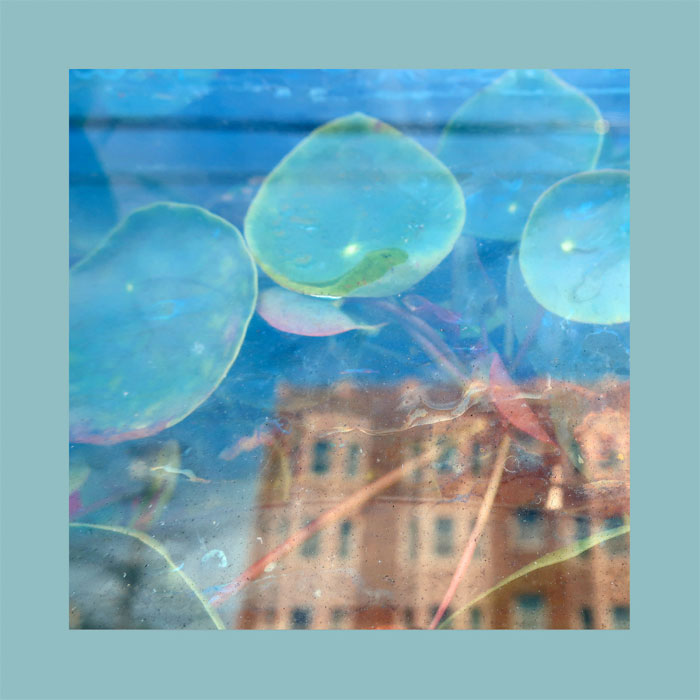
The Reds Pinks and Purples – Acknowledge Kindness
Glenn has noted that this is his swerve toward a bigger record, specifically citing California by American Music Club and 16-Lover’s Lane by The Go-Betweens. Eschewing the myriad pitfalls of those who translate intimacy onto a grander scale, the new record only amplifies the anguish and anxiety that crested out of his quiet comforts in the past, burning them into celluloid wonders rendered in vibrant hues. Acknowledge Kindness succeeds in its aims, smudging the soul with the same kind of ink and oil darkness that permeated the 4AD and Rough Trade catalogs through the ‘80s. It was easy to get lost inside of records wrapped in strings, strums, and the kind of lament that seemed to sluice right through the listener. Here, it’s clear that Glenn has spent a lifetime braised in those sounds, and the alchemy that he’s worked feels like a resonant realization of what RPP’s were created for in the first place.
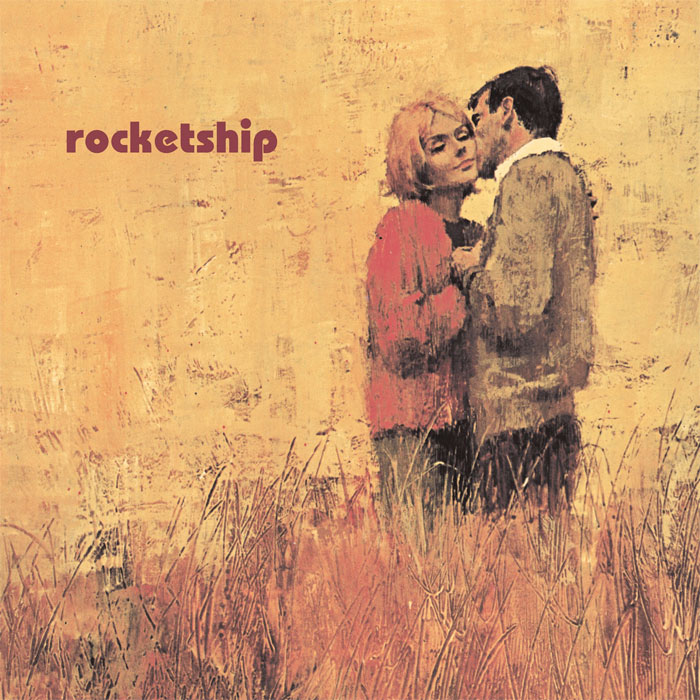
Rocketship – A Certain Smile, A Certain Sadness
An outsider, even in its time, the debut from Sacramento’s Rocketship found its footing somewhere between the jangled and jeweled gardens of twee pop and the headier burbling of Radiophonic plug jockeys like Stereolab, Broadcast, and Unrest. The band’s debut feels somehow completely at home among its Slumberland peers and completely incongruous. Lost between The Paisley Underground, Twee Tone dreamers, and a new appreciation for the Krautrock core, the record is often at its best while letting its pop impulses become washed away by its more experimental ones. The aforementioned “Let’s Go Away” pushes the boundaries at 6 and a half minutes, far outstripping many of their 45-centric peers. Yet, they go deeper with buzzing noise walls that set the stage for Broadcast’s brand of reverberating bliss a few short years later on tracks like “Carrie Cooksey.” The record is a true hidden gem, a smudged masterpiece that’s been lost and found a dozen times since it’s release 30 years ago.
Setting – Setting
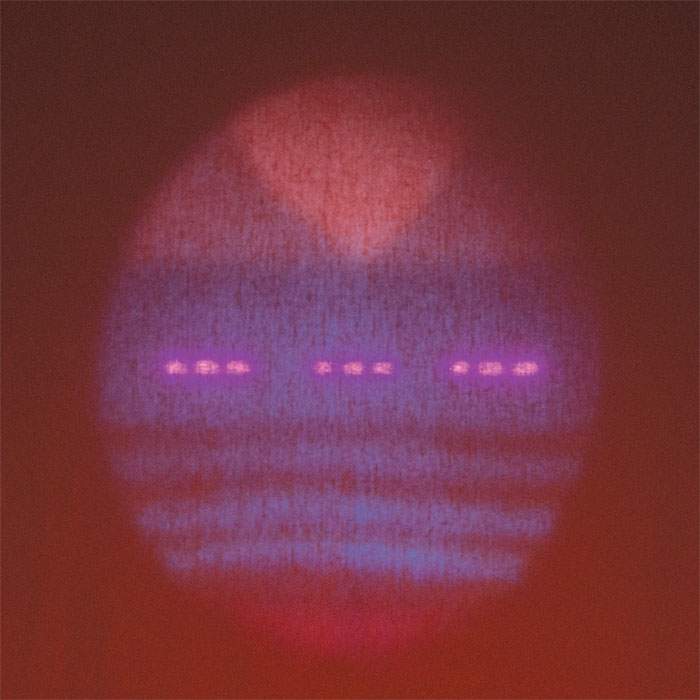
Setting returns with a new album driven by introspection and improvisation. Pulling from their pasts working with Mind Over Mirrors, Califone, Black Twig Pickers, Pelt, Peeesseye, and Sylvan Esso, the band draws from a a diverse skillset that seeps into the seems of the new album. The debut tended to foster their folk pasts, pasting rhythm to Nathan Bowles’ stringwork, weaving orbs of ambience around their pieces. On the new album, Fennelly takes the lead, dipping the record deep into the reaches of kosmiche with a synth-forward approach. The new record buzzes with an electric life, an incandescent spirit that flickers and fizzes while still poking through the fogged ambience of their first record.

Simon Joyner – Tough Love
The record comes in the wake of 2024’s quietly devastating Coyote Butterfly, an album that dealt with the death of Joyner’s son. Naturally, the subject is threaded through the heart of Tough Love as well, but there are more layers to the new album. It’s as much about the lives left behind as the one that departed. It’s an album that wrestles with the guilt as much as the grief. The record is rolled in more tumult and tension than often creeps into Joyner’s work, pairing the morning light laments with a more acerbic tack, listing into VU volatility and rhythmic grist. Tough Love is another high water wader from Joyner, a songwriter never content to let his legacy be behind him.
The Sleeves – The Sleeves
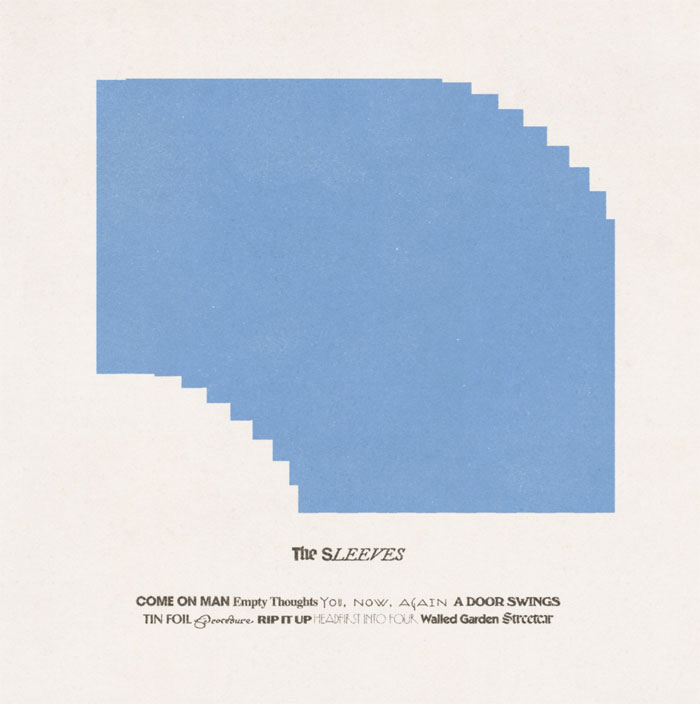
The Sleeves debut is a vision of symbiosis in spare pop. It is a record about space and the shape of sound as it dashes into the tape. Here Jack and Tara slip through the a seance of austerity, bending guitar phrases around one another in patient paces, finding the comfort of harmonies that fit between the spaces. The record isn’t hung on much, just the pair of voices and the pair of guitars, but their close-proximity parries fill the listener with a sense of strange comfort. It’s a good year for an unembellished brand of pop, and along with The Hobknobs, The Sleeves are leading the charge.
The Spatulas – A Blue Dot
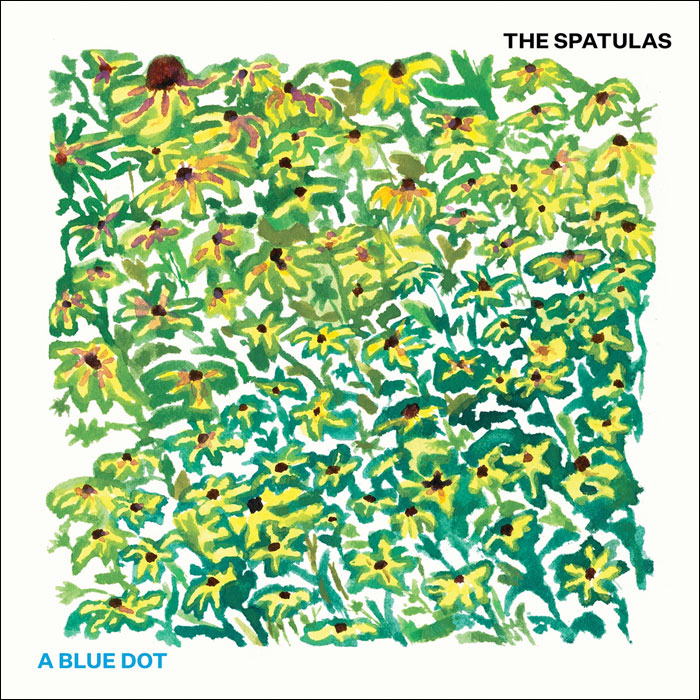
The wobbles and wavers of the New Zealand fray are still swaying in undercurrents, but there must be something in that East Coast water that’s knocked a little rust into the gutters of the new album. A Blue Dot is a proper indie record, hewing to the ’88-’92 model, still chewing on the raw nerves, but with a bump out of the 4-track into a sound that leaves a few deep marks on the listener. The band’s huddled and hurt in familiar ways on “Crude Handler,” but moments later the squelch and snarl of “A Gold Cord” slips a few potent punches in, matching Soileau-Pratt’s vocal quake with an amplifier shake from the band. “Line Assembly” lurches into view with power and purpose, letting the leads curdle in the sun just long enough to grow pungent. The band’s mentioned Rain Parade as an inspiration for this album as well, and the Parade’s balance of jangle and jostle before they tipped towards smoother edges certainly creeps into the corners of the album.
Spencer Cullum’s Coin Collection – Spencer Cullum’s Coin Collection 3
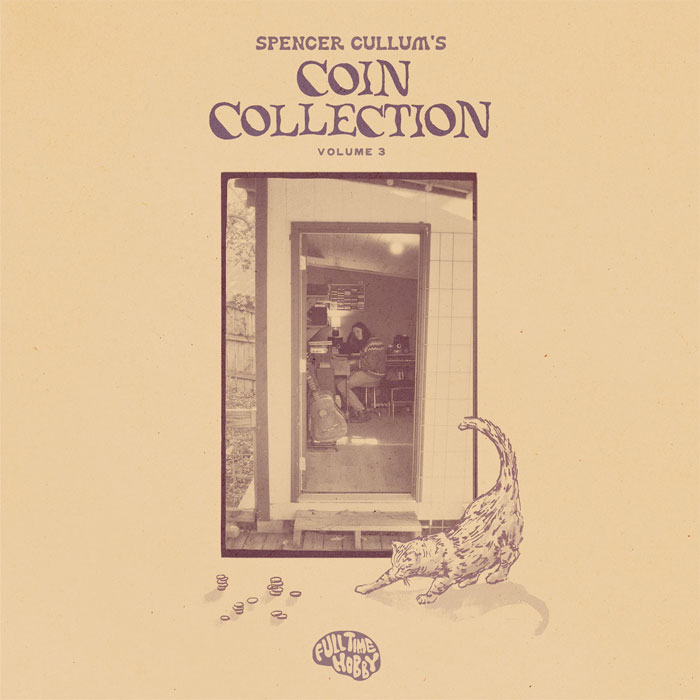
There’s an intimacy to Cullum’s works, captured here in stolen moments between tours and session work, documented as reel to reel field recordings, iPhone voice notes, and rough studio takes. Like the best of the private press, what might seem like limitations to the uninitiated wind up as endearing earmarks, quiet charms that come across not as rough and unvarnished, but warm and woolen. Cullum has a way of dressing up the crackle and strain with entrancing arrangements, pulling in plenty of local friends to the album. A cursory look at the liners here scans contributions from familiar names like Rich Ruth, Erin Rae, Sean Thomapson, Alison du Groot, Oisin Leech and Hollow Hand. The family affair only stitches the tapestry tighter, a quilted wonder that sends Cullum’s triptych off with a fitting flair.
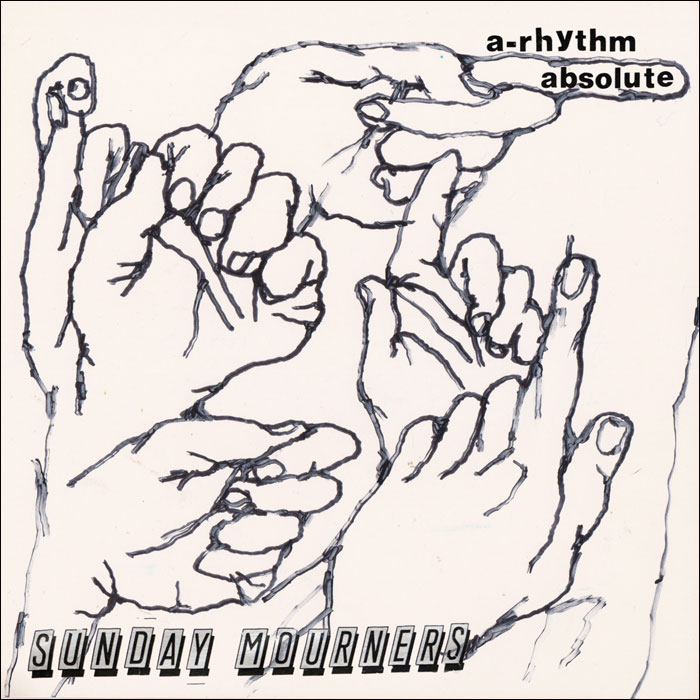
Sunday Mourners – A-Rhythm Absolute
Though hammered and hewn on the West Coast, every fiber of Sunday Mourners’ debut feels like it has NYC in its veins. The band spins through the eras, scooping a Strokes sneer from the outset, waxing aloof on opener “Careers In Acting.” By the time they hit the 12-minute centerpiece “Darling,” they’re deep into the Velvet Underground’s balance of beauty and brittleness. The song swoons and then falls into an extended existential crisis, tearing itself apart over the latter half with propulsive precision. The band use the rest of the record to brush against familiar signposts from The Voidoids to Jonathan Fire* Eater, but more than just reminding the listener of past pantheons, they embrace the discomfited decadence of those bands’ legacies.
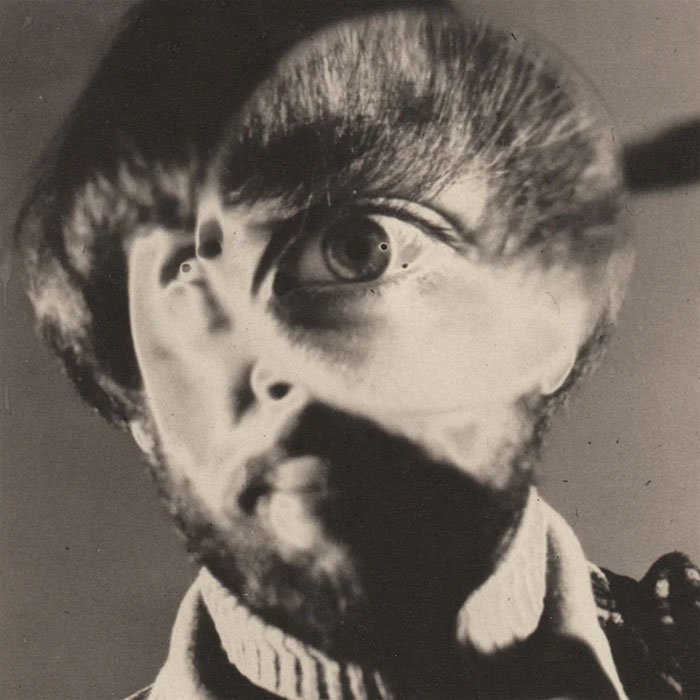
Ted Lucas – Images of Life
Lucas was a storied musician long before he “broke through” with his 1975 LP, but his story is also one one tragedy, mired by misunderstandings, misgivings, and eventually an early death. As the liner’s here note, Lucas knew that someday his works would rise. He kept a vast archive of works, videos, tapes, and acetates and they all help shape the world of Images of Life. His talent was surpassed only by his own fear of failure, and thus many of these hallmark recordings never made it out of his small inner circle. A dissolving marriage, failing health, and an early grave took much of the momentum out of any of his later works, but here they are now, ready for their reassessment, and hopefully for their place in the pantheon of rock’s best.
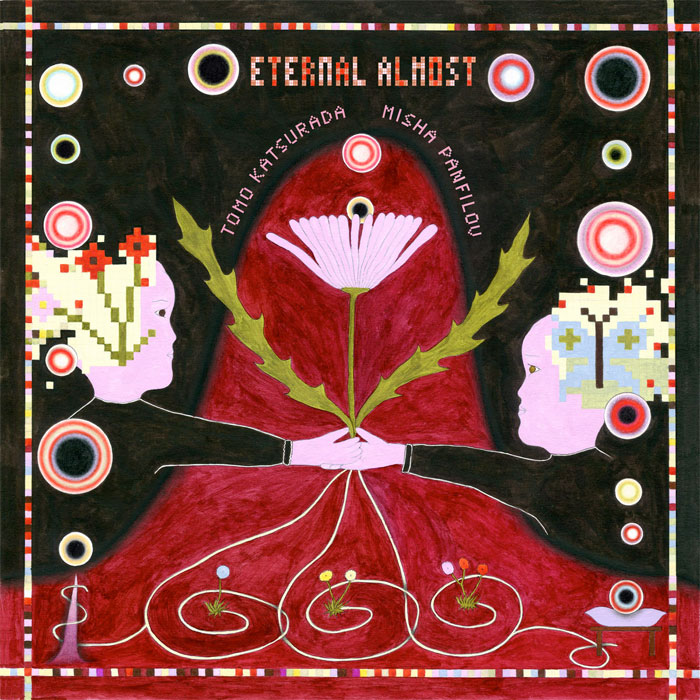
Tomo Katsurada & Misha Panfilov – Images of Life
Misha Panfilov has wrought solo wonders, re-imagined Library music’s potential, and branched out into kinetic jazz frequencies in his Septet. It seems only natural that he might be drawn to Tomo Katsurada, himself a eclectic experimenter, and most widely known as the guitarist for the much-beloved and sorely missed Kikagaku Moyo. As the album opens up and blooms, it doesn’t play only to the impulses of groove and grit. By the time the listener gets into “Cymbal Symbol” the record turns towards gauzy atmospheres and lush arrangements. Mid-point meltdown, “Mokoba” feels like it might fit right into the mix on a later KM album, but there’s a propulsion to it that’s purely indebted to Panfilov, echoing some of his inspired remix work (see: Jeffrey Silverstein). The record refuses to settle into genre, feeling instead like a hallucinogenic soundtrack out of the b-movie bin, the kind of thing that turns up on Finders Keepers years after the fact to the cheers of collectors.
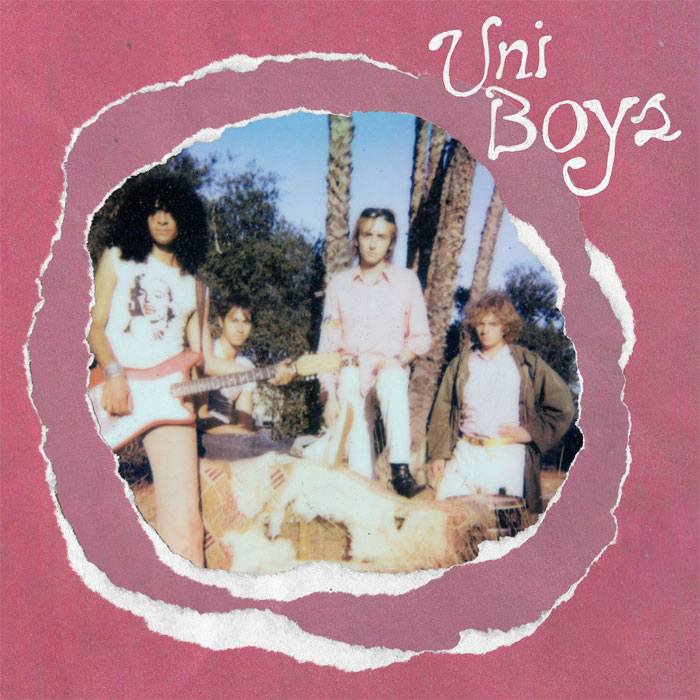
Uni Boys – Uni Boys
West Coast power pop unit Uni Boys has been on a sterling run ever since their first few singles. They latch onto the genre’s early sensibilities, softening the sneers of punk, pairing thrumming hooks with hearts pinned plainly to their sleeves. The eponymous new album offers up the clearest vision of their pop pedigree yet as it launches them into the conversation alongside riff revivalists like The Lemon Twigs, Foxygen, and Billy Tibbals. Like The Twigs, the band has a penchant for the plush end of the power pop spectrum, spilling into the pristine shapes and shadows left by sunshine pop. The new record feels like a softer version of what they’ve been playing at the past few years. Their early record were dipped in the delights of late ‘70s pop, but this time they lean heavily into the hands of artists who pine without panting; a straightforward dip into the legacy of Brian Wilson as it trickled down through The Raspberries, Chris Bell, and Todd Rundgren.
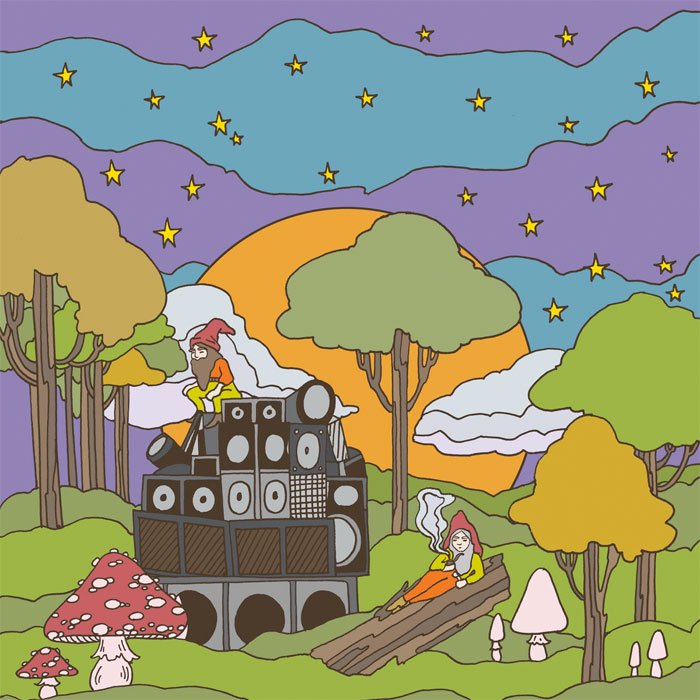
Wet Tuna – Vast
With an assembled coterie of psych’s best, the band slips through the frontal lobe and into 104-degree fever dreams that come from all corners. While the record is another window rattler, the recommended course of injection should be headphones; swaddling the listener in a humid 360 sound that reverberates through the marrow. Hooked in and humming, the band escorts the listener through six levels of the Astral Plane, barrel rolling through rubberized R&B, marinated psychedelics, and dub plate delicacies from the Cosmic American buffet. Genre can’t help to contain Wet Tuna, though. Its connotations fall short every time. The Tuna is an experience, a hurricane of bass and bliss that massages the medulla oblongata then tosses the listener through a hall of mirrors. Songs rumble and reverberate, drop from beneath us, and suddenly catch fire from the edges.
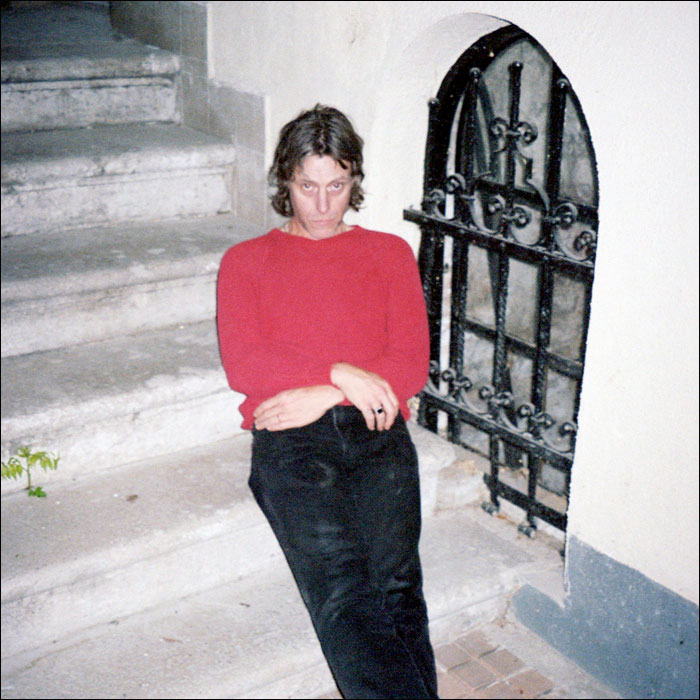
White Fence – Orange
Tim Presley comes soaring back into frame, a psych-pop star that never dims. The new record finds Ty Segall behind the boards once more, resuming the pose he began on For The Recently Found Innocent and kept thriving on the pair’s duo outing from 2018. Ty swaps in and out of drum duty with Fence regular Dylan Hadley, but the new name on the marquee is Alice Sandahl (Intelligence) who layers in a quiver of keys to the mix. Roster aside, this is one of the strongest outings from Presley in quite some time, a pristine pop confection that pulls from the past pearls of wobble-pop and threads them through the silk shadows of ‘80s Paisley and Kiwi ‘90s strums.
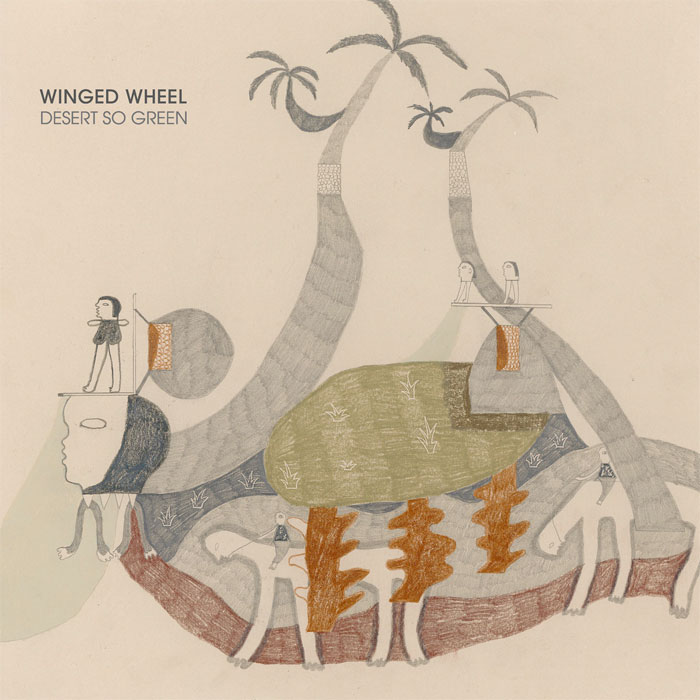
Winged Wheel – Desert So Green
Following the headrush haze of their sophomore album, Big Hotel, the band seeks to carve out a more furrowed form on Desert So Green. The band ditched the studio seance for a more planned approach, no longer carving pieces out of longform jams and instead finding their footing between the poles of desire and dissonance. The record has a hunger to it, a wiry rawness that’s evident from the opening pair of tracks, “Canvas 11” and “Canvas 2.” Both set the stage for the album as something searching for the edges, rather than moving towards the middle. There are elements of pop on Desert So Green, but just as often there are hackles, hinges, chafes, and scrapes. Unlike the constant, clouded motion of Big Hotel, DSG works its wonders in the leaner moments, lurking in shadows, lounging in our collective unease.

Zoh Amba – Eyes Full
On Eyes Full, Amba proves that the world can’t box them into a corner, delivering one of the year’s rawest records; chewing on traditions and approaching rock with an experimenter’s heart. The recordings are rounded out with electric guitar from longtime friend Kevin Hyland and a rhythmic anchor from drummer Jim White, who plays with Zoh in the excellent ensemble Beings. Together the three turn Amba’s songs of survival and small town stagnation into a lit match. Amba has a way of painting picaresque scenes of the South and then soaking the rag in paint thinner, turpentine, and sweat; smearing the staid notions of rock and blues with an emotional turbulence that feels brittle yet biting. Slashing genre, subverting expectations, and grabbing the ears of the listener with both hands, Eyes Full is a force that’s hard to ignore in 2026.